

























You’ve grabbed the new Starlink Mini for your ride, and you’re ready to hit the tracks. It’s a game-changer for staying connected in the bush. But before you head off-grid, there is one critical upgrade you need to know about.
Most people assume they can just plug the Mini into a standard 12 V cigarette lighter or wire it directly to their battery and be done with it. Unfortunately, physics has other ideas.
If you want a reliable connection that doesn’t cut out when you need it most, you need to understand why cheap adapters are failing and why the TrailBait 12 V-to-48 V Booster is the only piece of gear you should trust with your connection.
The 12 V Myth and the Boot Loop of Death
The Starlink Mini is an incredible piece of gear, but it is power-hungry. While the spec sheet says it runs on 12 V to 48 V that is only half the story.
When the dish first boots up or when it engages Snow Melt mode to punch through heavy cloud or rain, it draws a big spike of current. If you are running 12 V through a long cable, that spike causes the voltage to drop instantly.
It’s called voltage drop, and it is the enemy of 12 V electronics. If the voltage at the dish dips below about 13 V, the Starlink panics and shuts down. Then it tries to restart and crashes again. You get stuck in a frustrating boot loop where the dish just cycles on and off forever without ever connecting.
The TrailBait Fix: Our adapter doesn’t just pass the power through. It is a DC-to-DC booster that takes your 12 V input (which might actually be 11.5 V or 13.8 V, depending on your battery) and boosts it up to a rock-solid 48 V.
By running at 48 V, we drastically reduce the current flowing through the cable to your dish. Lower current means zero voltage drop issues. Your Starlink gets the steady power it expects every single time you flick the switch.

Don't Let Your Setup Melt Down (Literally)
We have seen the stories online. People buying cheap plastic power bricks from eBay or using standard cigarette lighter plugs to run their Starlink. They often have loose connections, and when you pull high current through a loose connection, it generates heat. A lot of heat that frequently melts the plastic casing or even fuses the plug into your dashboard socket!
On top of that, the plastic adapters act like thermal blankets. In the Aussie summer, temperatures inside a canopy or ute cab can soar. Plastic insulators trap the heat inside the electronics, leading to component failure or thermal shutdown just when you are trying to check the weather report.
The TrailBait Difference: We built this unit for the Australian outback.
-
Robust Alloy Heatsink: Our housing is made of metal, not plastic. It acts as a massive heatsink to dissipate heat efficiently, ensuring your connection stays stable even in the harsh summer conditions.
-
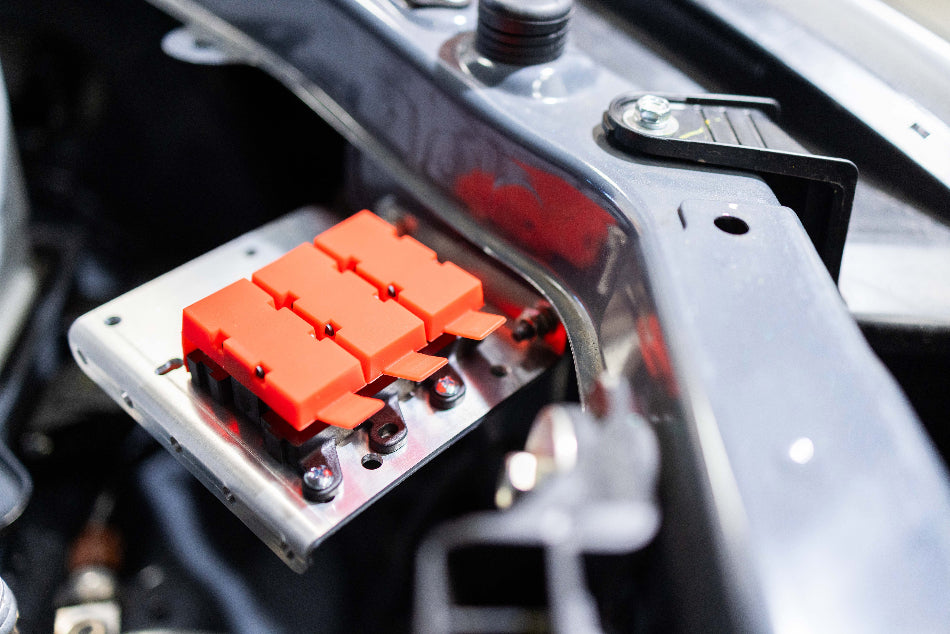
Molex Mini-Fit SR Input: We ditched the risky cigarette plugs. We use a heavy-duty Male Molex Mini-Fit SR connector for the 12 V input. It locks in place so it won't rattle loose on corrugations, and it is rated for high current so it won't melt under load.
Efficiency Matters Off-Grid
You might think about using an inverter to run the 240 V power brick that came with the Starlink. That works, but it is inefficient. You are converting 12 V DC to 240 V AC and then back to DC again. You lose precious battery power to heat and fan noise at every step.
The TrailBait adapter is a direct DC-to-DC solution. It bypasses those losses, making it far more efficient than using an inverter. That means less strain on your dual battery system and more hours of runtime for your fridge and lights.
The Breakdown: Why TrailBait is the Premium Choice
If you want a set and forget solution for your 4WD, caravan, or boat, here is exactly what you are getting with the TrailBait Starlink Mini Adapter:
-
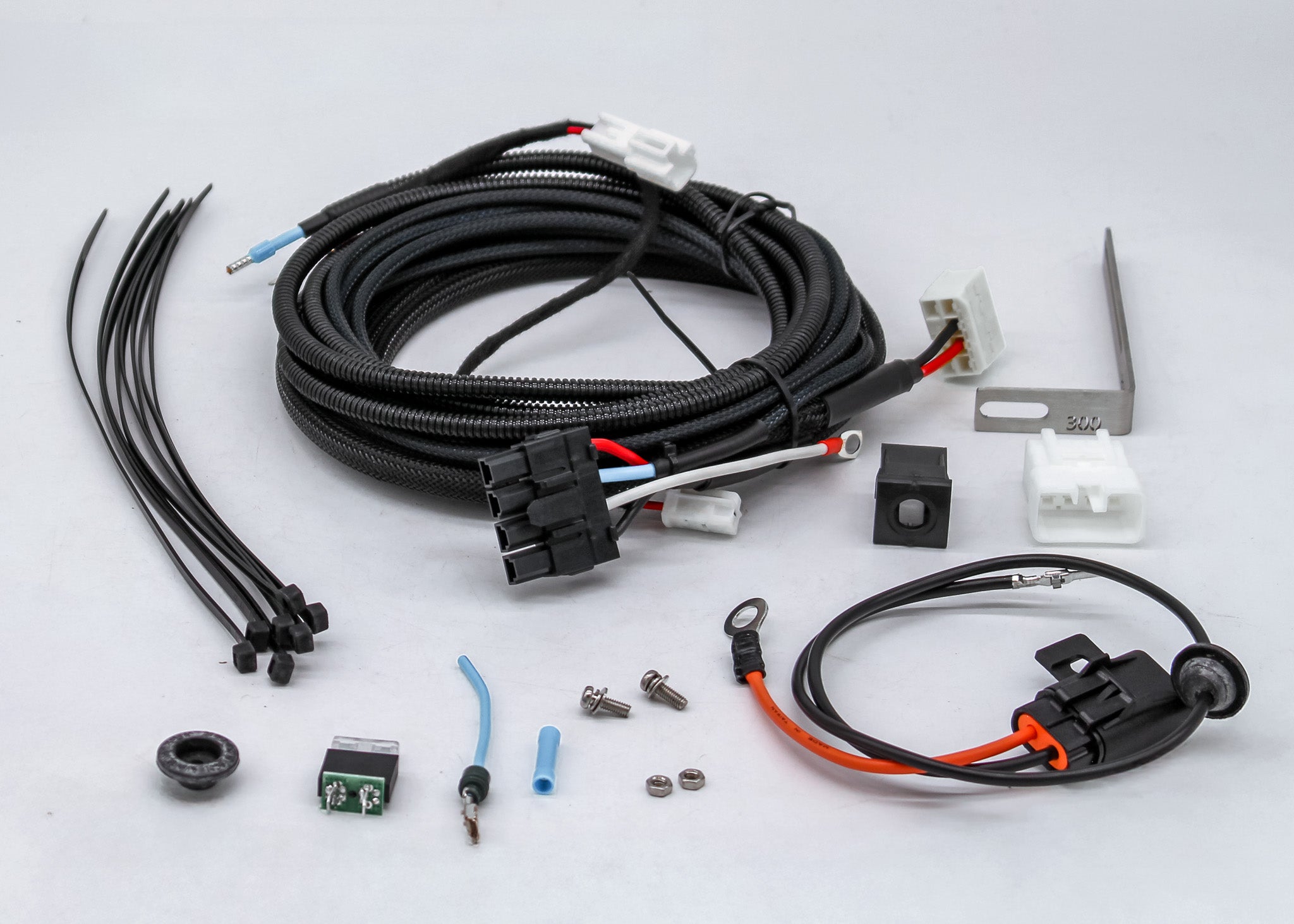
Plug-and-Play Simplicity: Pre-terminated connectors make installation faster and easier. No messing around with soldering irons or guessing wiring diagrams.
-
Correct Voltage: Converts 12 V input to the 48 V output that the Mini prefers, preventing brownouts and boot loops.
-
Built-in Protection: Includes safeguards against over-voltage, over-current and short-circuits. It protects your expensive Starlink from spikes in your vehicle’s electrical system.
-
Rugged Construction: The alloy housing manages heat and survives vibrations that kill cheaper plastic units.
-
The Right Connections: Includes a female Starlink output connector (48 V) and that robust male 12 V Molex input connector we mentioned earlier.
The Verdict: Don't risk a fire or a failed connection to save a few bucks on a cheap adapter. The TrailBait Starlink Mini Adapter is engineered to handle the power spikes, the heat and the rough tracks of Australia.
Make your setup safe, efficient and reliable so you can enjoy the journey.

